How Medical Alarms Support Ageing in Place for New Zealand Seniors
@medicalalarmsdigest
When my father turned 78, he made it clear that he had no intention of leaving the family home. The house he had lived in for over forty years was where he felt safe, where the garden he planted was still growing, and where the neighbours knew his name. But we had a quiet worry that sat between us. What if he fell and could not reach the phone? What if something happened in the night and no one heard him? That is the kind of quiet worry that drives families to look into medical alarms for the first time. In New Zealand, where many older adults live in standalone homes or rural areas, the question of how to stay independent without putting safety at risk is a real one. Medical alarms have become a practical answer for thousands of families, not because they replace human care, but because they add a layer of backup that makes ageing in place possible.
What a Modern Medical Alarm Actually Does
The old image of a medical alarm was a simple button on a cord that you pressed to call for help. That still exists, and it still works for many people. But the category has grown. Today, medical alert systems can include fall detection that automatically triggers an alert if a person stops moving after a fall, GPS tracking so that help can find you even if you are in the garden or down at the local shops, and two-way calling so that the person at the other end can talk to you directly through the device. The best systems also send caregiver alerts to family members, so that we are not left wondering whether help has actually arrived. For a son or daughter living in another city, that peace of mind is hard to overstate.
The key development in recent years has been the shift from devices that only work inside the home to those that work everywhere. Many seniors in New Zealand still drive, still walk to the dairy, still tend a section. A medical alarm that only works indoors misses half the risk. That is where GPS tracking becomes genuinely useful. If a person with dementia wanders off, or if someone has a medical event while out walking the dog, the device can pinpoint their location and send it straight to emergency response services or to family members. That is not a gimmick. It is a tool that has directly saved lives.
Fall Detection: The Feature That Matters Most
The single biggest risk for an older adult living alone is falling. According to New Zealand data, falls are the leading cause of injury hospitalisation for people over 65. And the real danger is not always the fall itself, but the time spent lying on the floor waiting for help. A broken hip becomes a crisis when hours pass before anyone notices. Fall detection built into pendant alarms or wrist alarms changes that equation. The device senses the impact and the change in angle, and if the person does not get back up, it sends an alert automatically. The person does not have to press a button. That matters because after a fall, people are often disoriented, in pain, or unable to reach the button anyway.

Not all fall detection is equally reliable. Some systems use accelerometers, some use multiple sensors, and some still rely on the wearer pressing the button. When choosing a system, it is worth asking how the fall detection works and whether it has been tested in real-world conditions. The technology has improved a lot, but it is not perfect. A good system will let you test it regularly and will have a responsive support team behind it.
No Monthly Fees and Family Monitoring
One of the hidden stresses of traditional medical alert systems is the ongoing cost. Many companies charge a monthly subscription that adds up over the years. For seniors on a fixed income, that can be a real barrier. Some providers in New Zealand now offer medical alarms with no monthly fees, which changes the affordability picture entirely. You buy the device once and it works. That model suits people who do not want to commit to a long-term contract or who worry about bills piling up.
Another shift is toward family monitoring. Instead of the alert going to a remote call centre, the notification goes straight to designated family members. That works well for families who are already involved in daily care and who want to know immediately if something happens. It also means the response is personal. The person who gets the alert is your daughter, not a stranger reading a script. Of course, that only works if the family member is reliable and can respond quickly. For some families, a professional monitoring service is still the better choice. The right option depends on your situation.
Practical Considerations: Battery Life, Waterproofing, and Comfort
The best device in the world is useless if it is not worn. That is the single most common problem with personal emergency response systems. People take them off to shower, forget to put them back on, or leave them in a drawer because the device is uncomfortable. That is why waterproof alarms matter. A device that can go in the shower with you removes a major point of failure. Battery life is another factor. A pendant or wrist alarm that needs charging every night is a hassle. Look for devices that offer at least several days of battery life, ideally a week or more. Some systems use rechargeable batteries, others use replaceable coin cells. Both have trade-offs. Rechargeable means you have to remember to charge it. Coin cells last longer but you have to keep spares.

Comfort is also a factor. A pendant that bounces against your chest all day or a wrist alarm that is too tight will end up in a drawer. Try before you buy if you can. Some providers let you test the device for a few days. That is a good sign. A company that is confident in its product will let you see if it actually fits your life.
Smart Home Integration and the Future
Some newer medical alarms can integrate with smart home systems. That means the same device that calls for help can also turn on lights, unlock doors, or send a notification to a smart speaker. For someone with limited mobility, that kind of integration can make daily life easier, not just safer. It is not a must-have feature today, but it is worth watching as the technology matures. For now, the core features - fall detection, GPS tracking, two-way calling, and reliable battery life - are what matter most for senior safety.
Choosing the Right System for Your Family
When I helped my father choose a system, we made a list of what mattered to us. We wanted fall detection, because that was our biggest fear. We wanted something waterproof, because he refused to take it off in the shower. We wanted family monitoring, because my sister lives nearby and could respond faster than any call centre. And we wanted no monthly fees, because we did not want to worry about another bill. We found a system that ticked all those boxes. It took some research, but it was worth it.
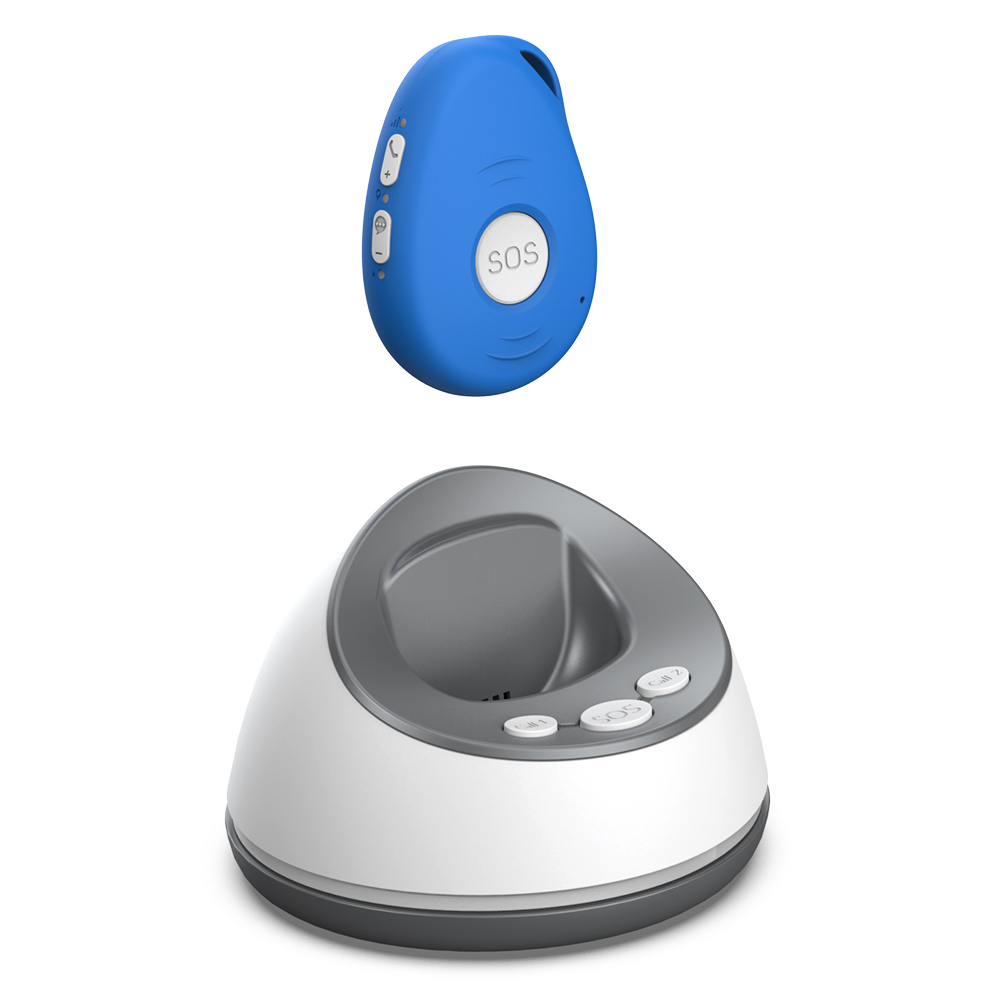
For families in New Zealand, the range of options is growing. You can find pendant alarms, wrist alarms, and even devices that clip onto a belt. Some use cellular networks, some use Wi-Fi. The important thing is to match the device to the person's actual habits. If they spend a lot of time outdoors, GPS tracking is essential. If they are forgetful, fall detection and automatic alerts are more important. If they are tech-shy, keep the device simple. A button they press is better than a screen they ignore.
Final Thoughts on Staying Independent
Ageing in place is not just about staying in your own house. It is about staying in control of your own life. Medical alarms are one tool among many that help make that possible. They do not replace the role of family or community. They simply ensure that when something goes wrong, help is never far away. For the families I speak with, that single fact changes everything. It turns the worry into a plan. And that is worth more than any gadget.